
World Mental Health Day is October 10th – it’s time to check in on your mental health
By Rob Pearson
Contributor
In the Lowcountry, we often hear or read bumper stickers describing Bluffton as a ‘State of Mind.’ How’s your own mind doing these days? How are you coping with normal stresses, interpersonal relationships, decision-making, sleeping, emotions, appetite, energy levels and other characteristics defining your mental state.
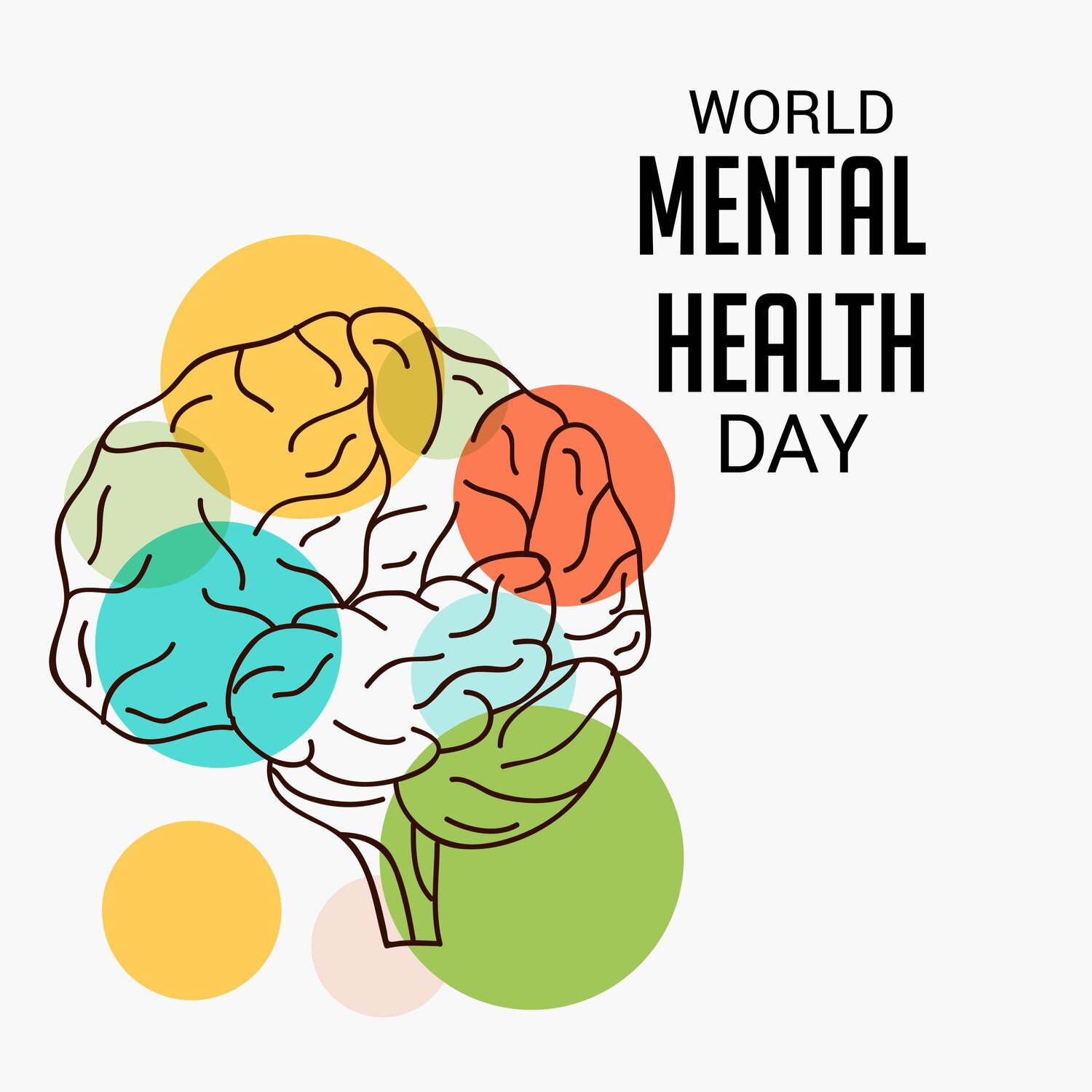
In order to take some time out to reflect upon these questions, World Mental Health Day (October 10) was first celebrated in 1992 as an international day for global mental health education, awareness and advocacy against social stigma.
Thousands of supporters come to celebrate this annual awareness program to bring attention to mental illness and its major effects on people’s lives worldwide. In addition, this day provides an opportunity for mental health professionals to discuss and shed light on their work, making mental health a priority worldwide.
Mental health includes subjective well-being, autonomy, competence and self-actualization of one’s intellectual and emotional potential, among others. It may include an individual’s ability to enjoy life and to create a balance between life activities and efforts to achieve psychological resilience. Some early signs related to mental health difficulties are sleep irritation, lack of energy or appetite, thinking of harming oneself or others, self-isolating and frequently zoning out.
Mental health is an individual’s capacity to feel, think and act in ways to achieve a better quality of life while respecting personal, social and cultural boundaries. It’s been estimated that almost one billion people worldwide suffer from a mental disorder, with depression and anxiety being the most common. The number of people suffering from mental disorders has risen significantly throughout the years. Mental disorders are defined as health conditions that affect and alter cognitive functioning, emotional responses and behavior associated with distress or impaired functioning.
Psychiatrists, psychologists, licensed professional clinical counselors, social workers, nurse practitioners and family physicians can help manage mental illness with treatments such as therapy, counseling and medication.
Mental health can be seen as a continuum, where an individual’s mental health may have many different possible values. Mental wellness is viewed as a positive attribute; this definition of mental health highlights emotional well-being, the capacity to live a full and creative life, and the flexibility to deal with life’s inevitable challenges. Many therapeutic systems and self-help books offer methods and philosophies espousing strategies and techniques praised as effective for further improving the mental wellness.
Gender, age, ethnicity, life expectancy, longevity, population density, and community diversity are all demographic characteristics that can increase the risk and severity of mental disorders. Unhappily married couples suffer a higher risk of developing clinical depression.
Rob Pearson, M.S. is Executive Director of Mental Health America of the Lowcountry, providing daily adult group mental health counseling programs in Bluffton and Beaufort for clients with schizophrenia, bipolar disorder, depression, anxiety, PTSD and more. Contact: robp@mhalowcountry.org , 843-415-9110


